Vape Culture: Understanding the Growth of Vaping in Modern Society
Vape culture has emerged as a prominent phenomenon within younger generations, fueled by the pursuit of healthier choices and a wide range of flavor varieties. Social media accelerates this movement, depicting vaping as a widely embraced option. Nevertheless, the health-related consequences continue to be disputed, sparking ongoing debates about its potential risks. As vaping establishments transform into social gathering spaces, the dynamics of this lifestyle continue to shift. Where is this rapidly developing culture headed?
Why Are So Many People Making the Switch to Vaping?
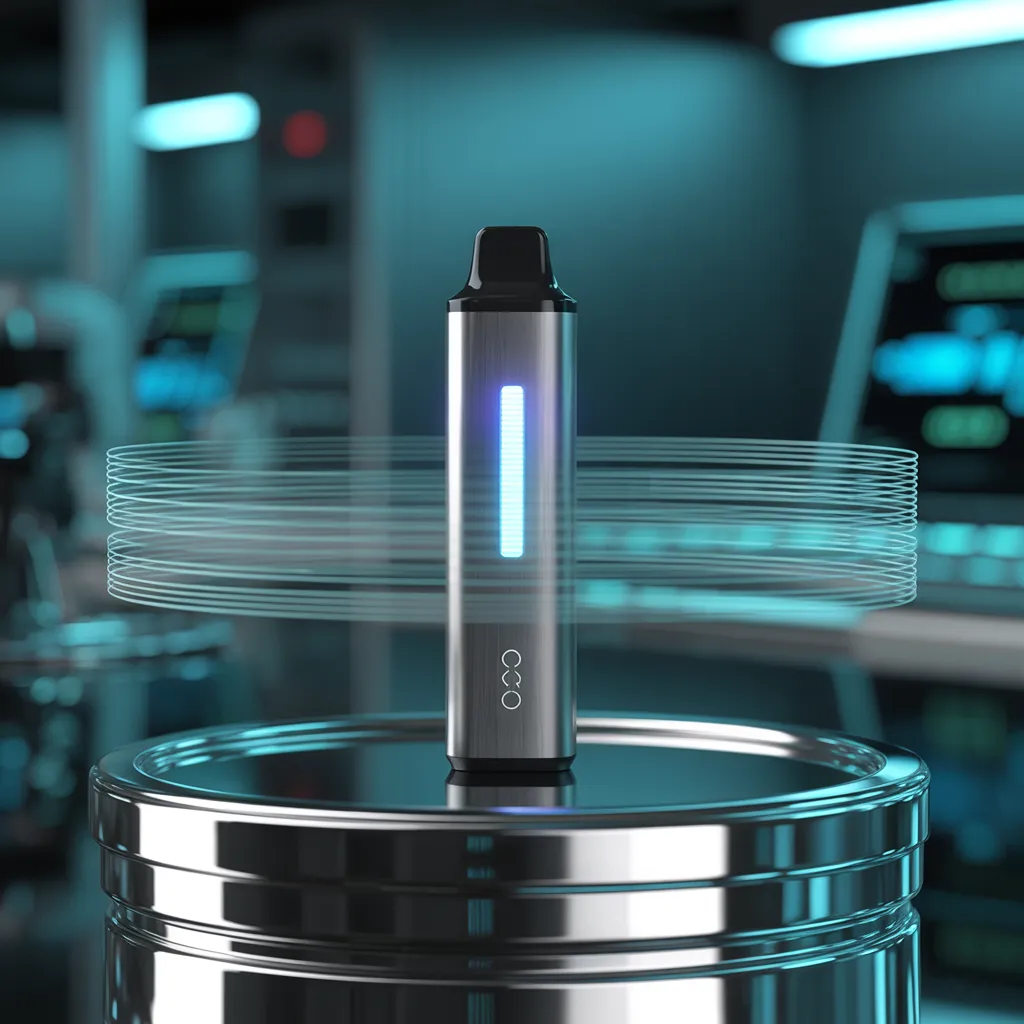
As the understanding of the health dangers linked to conventional smoking increases, a growing number of people are turning to vaping as an apparently less harmful substitute. This change is motivated by a variety of influences, including the appeal of flavors and customizable options that vaping devices provide. Numerous users value the wide range of flavors, spanning from fruity to dessert-themed options, which make the experience far more pleasant than traditional tobacco. Additionally, vaping is often viewed as a more socially acceptable practice, particularly among younger demographics. The advanced technology incorporated into vaping devices further provides a measure of control over nicotine use, drawing in those who wish to decrease their consumption over time. Beyond that, the notion that vaping is less bothersome and leaves behind fewer persistent odors compared to smoking plays a role in its increasing prominence. Consequently, a wide variety of people, ranging from ex-smokers to those newly introduced to nicotine, are progressively transitioning to vaping.
Is Vaping Actually Safe? The Wellness Debate?
How does vaping measure up against conventional smoking in terms of safety? This topic has generated significant discussion among medical experts and everyday people. While vaping is often marketed as a safer alternative to smoking, the reality is more complex. Vaping devices usually include a smaller number of toxic chemicals compared to regular cigarettes, theoretically diminishing some associated health dangers. Nevertheless, vaping continues to deliver dangerous substances into the body, such as nicotine, which may result in dependency and possible heart-related complications.
Emerging research has raised concerns about the prolonged consequences of breathing in vaporized compounds, particularly since many ingredients in e-liquids remain unstudied. In addition, reports of lung damage linked to vaping have emerged, compounding the existing concerns about its safety. In the end, while vaping may present fewer risks than smoking, it is not devoid of potential hazards, demanding thoughtful evaluation from both users and policymakers.
Who Is Getting Into the Vaping Trend?
Who finds appeal in the vaping phenomenon? A broad spectrum of individuals is drawn to vaping, encompassing a wide range of demographics and backgrounds. Younger individuals, especially those between their late teens and early twenties, frequently look for substitutes to conventional cigarettes, viewing vaping as a modern lifestyle choice. Many are motivated by the perception that vaping is less harmful and delivers a tailored experience through an array of flavors and nicotine options.
Furthermore, smokers who have switched to vaping form a substantial group. They may see it as a means to reduce nicotine consumption while still enjoying the act of inhaling. A sense of curiosity also compels many people, as vaping's social dimensions appeal to those wanting to engage with peers or venture into new experiences. The trend's accessibility, combined with its perceived novelty, continues to draw a broad spectrum of participants into the world of vaping.
How Social Media Has Shaped Vape Culture
In what way does social media impact the vaping community? Social media platforms have become pivotal in promoting and normalizing vaping among various demographics. By sharing visually compelling content, influencers present vaping as a lifestyle decision, frequently evidence highlighting its visual appeal and communal dimensions. Vaping-related hashtags and online challenges foster a sense of belonging, motivating users to exchange their experiences and personal preferences. Moreover, social platforms including Instagram and TikTok empower users to generate and spread tutorials, vaping techniques, and product assessments, increasing the prominence of vaping products and brands.
This continuous exchange cultivates an environment where vaping is not just a routine but a form of self-expression. The widespread reach of social media amplifies trends, leading to quick transformations in consumer preferences. As a result, social media acts as a double-edged sword, both promoting awareness of vaping and potentially glamorizing the habit, particularly among a younger generation.
How Vaping Impacts Lifestyle Decisions
Vaping has become a significant factor in shaping contemporary lifestyle choices, influencing everything from social interactions to personal identity. For a great number of people, vaping acts as a social catalyst, enabling connections across both relaxed and professional environments. The practice of vaping frequently generates a collective experience for participants, strengthening community ties and setting standards for social events.
Additionally, vaping has redefined personal identity for some people, differentiating them from traditional smokers or non-smokers. The choice of flavors, devices, and brands empowers individuals to showcase their personal preferences, cultivating a sense of individuality.
Moreover, health perceptions related to vaping have inspired changes in lifestyle; a number of users regard it as a safer replacement for traditional smoking, while some incorporate it within wellness and lifestyle discussions. When all is considered, vaping impacts choices related to social engagement, identity expression, and wellness, highlighting its significant effect on present-day living habits.
Vape Stores: Gathering Places for Enthusiasts
In the evolving landscape of vaping culture, vape shops are now recognized as important social centers for vaping enthusiasts. These locations operate as meeting spots where people can bond over their mutual passion for vaping. Going beyond simple retail, vape shops often host special events, such as product tastings and educational workshops, cultivating a sense of community among patrons.
The well-informed staff regularly offer helpful guidance into the latest devices and e-liquids, enhancing the overall vaping experience. This personalized service helps build trust and loyalty within the community. Moreover, vape shops commonly cultivate friendly environments, promoting meaningful connections between customers, which may develop into lasting friendships and support systems.
With vaping steadily increasing in popularity, these shops play an important role in forming a culture built on exploration and education. By focusing on community involvement, vape shops not only contribute to individual experiences but also assist in creating a thriving, interconnected vaping community.
Upcoming Trends in Vape Culture
How will the future of vape culture evolve as technology and societal attitudes shift? As vaping technology advances, innovations such as smart devices and customizable options are likely to attract a wider audience. Enhanced user interfaces and app integrations may facilitate personalized experiences, allowing consumers to track usage and flavor preferences. Moreover, the rising priority placed on health and wellness could transform attitudes, fostering broader acceptance of vaping as a less detrimental option compared to traditional smoking.
Regulatory changes will also play a critical role as regulatory bodies enforce stronger guidelines, manufacturers may focus on transparency and quality, encouraging a more ethical marketplace. Social attitudes may continue to shift, with vaping merging more deeply into contemporary lifestyle, akin to the rise of boutique beverages or gourmet coffee. Fundamentally, the evolution of vaping will be shaped by an interplay of cutting-edge innovation, regulatory frameworks, and transforming public outlooks, shaping a distinct identity within contemporary society.
Frequently Asked Questions
What Are the Most Popular Flavors Among Vapers Today?
Fruity flavors, particularly mango, watermelon, and berry, dominate the vaping market today. Sweet dessert flavors, including vanilla custard and chocolate, are also widely popular, drawing in those who desire rich and satisfying vaping experiences.
What Are the Average Monthly Expenses for Vaping?
Monthly vaping costs generally fall from $30 to $100, based on usage, device type, and e-liquid choices. Consistent users might notice significant cost variations according to individual habits and usage levels.
Do Age Restrictions Apply When Buying Vape Products?
There are indeed age restrictions for purchasing vape products. Across many areas, individuals must be at least 18 or 21 years old, according to local legislation, to legally buy vaping devices and related products.
Can Vaping Help People Quit Smoking Entirely?
Vaping can help certain people stop smoking altogether by offering a safer substitute. That said, not everyone experiences the same benefits, and dependence on vaping may result in ongoing nicotine addiction for some.
What Are the Most Common Misconceptions About Vaping?
Common misconceptions about vaping involve the assumptions that it is entirely harmless, that it is free of dangerous chemicals, and that it exclusively leads to cigarette smoking. These misunderstandings can influence perceptions and behaviors surrounding vaping.